„Psyche” – sztuka z empatią, głos dla zwierząt
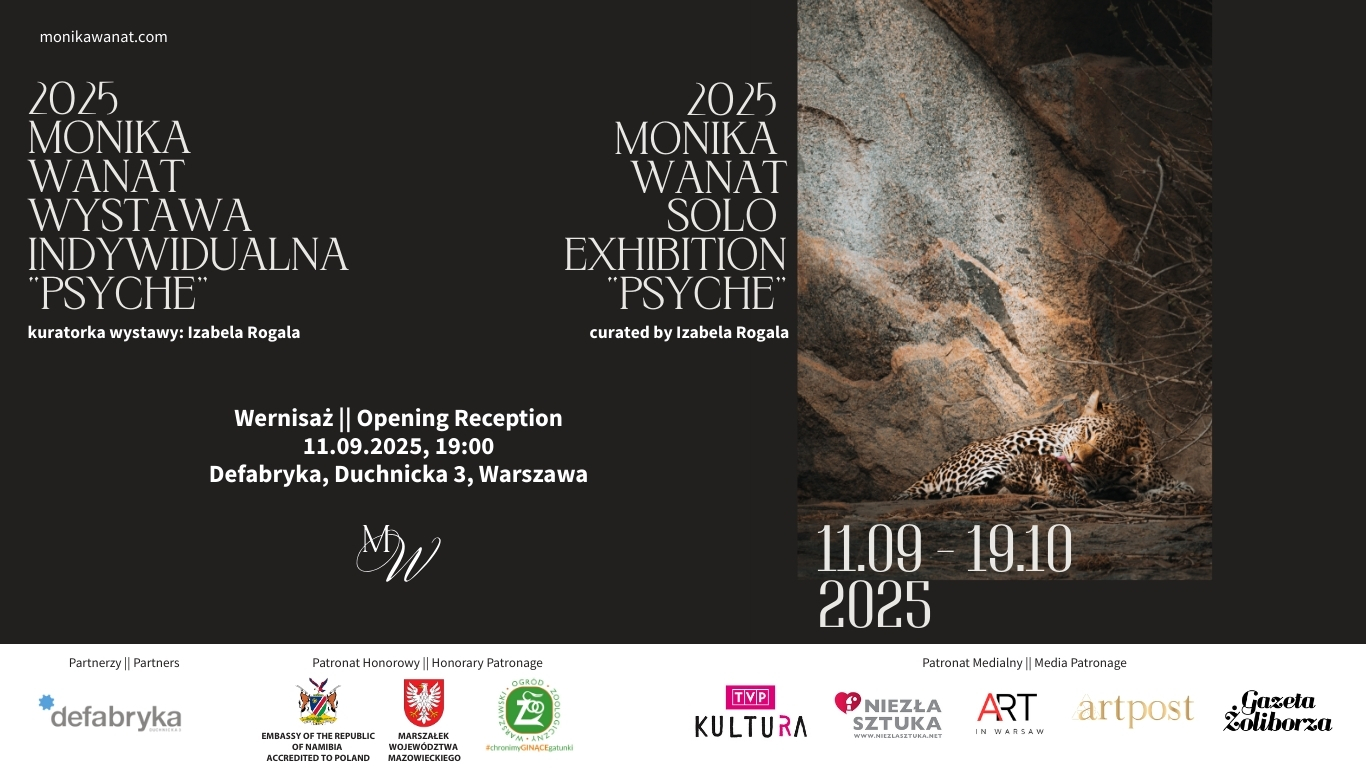
Wystawa Psyche Moniki Wanat to poruszający wizualny apel o uznanie zwierząt jako czujących, świadomych istot, nie tylko obiektów obserwacji, lecz pełnoprawnych uczestników życia na Ziemi. Projekt, rozwijany przez artystkę od 2014 roku, to efekt ponad dekady podróży, badań i artystycznych poszukiwań, które splotły się w jedno: opowieść o świecie widzianym z innej niż ludzka perspektywy.
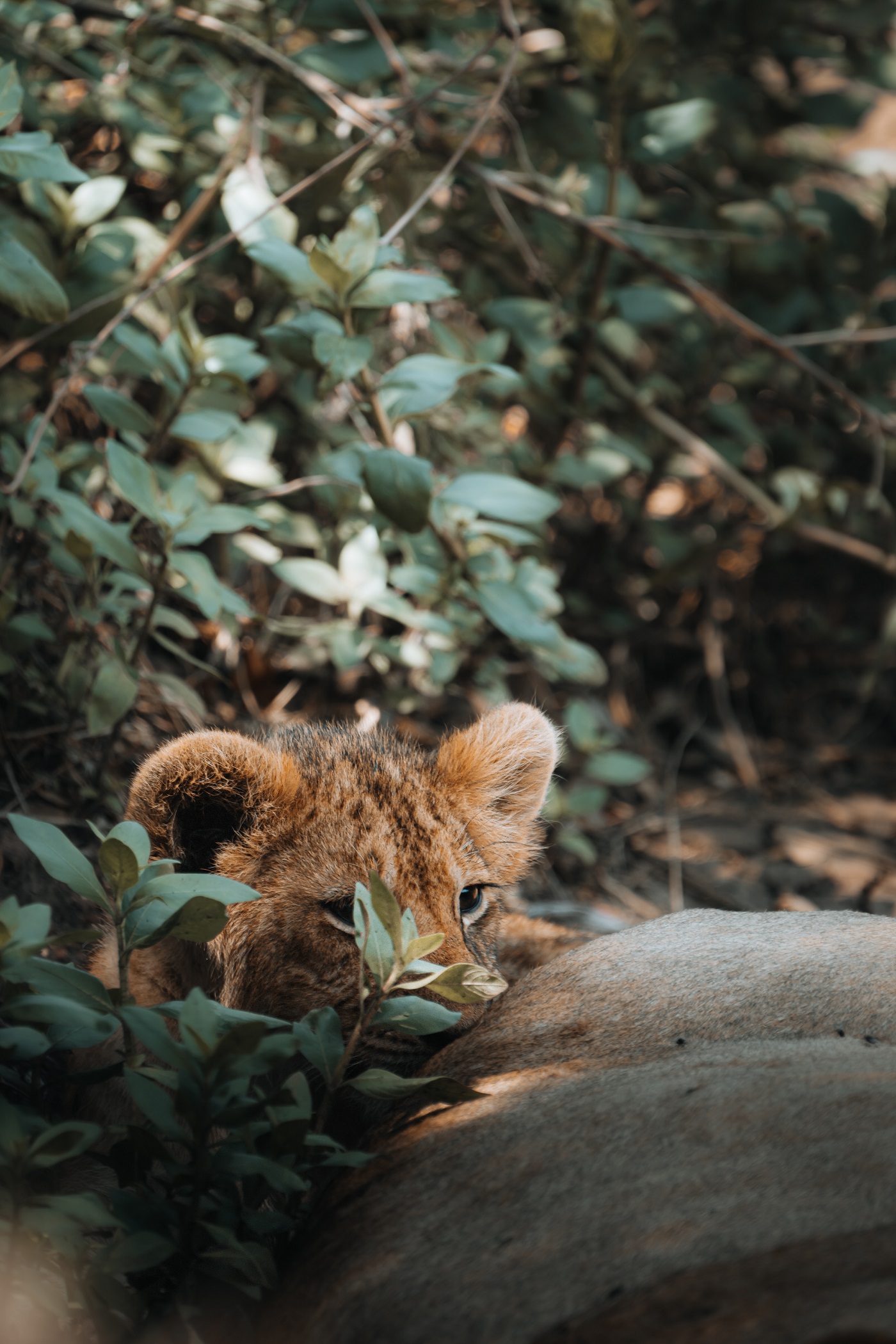
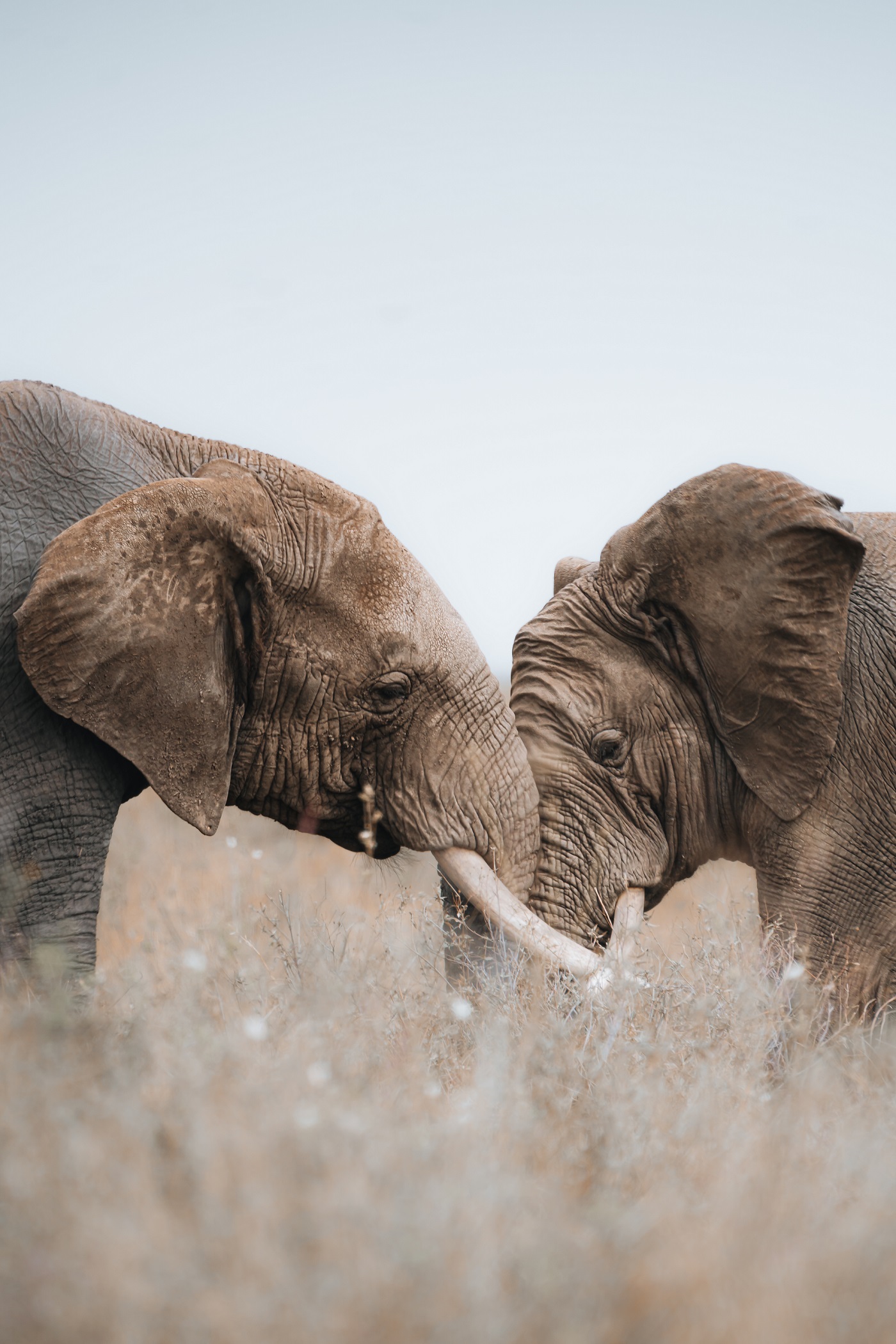
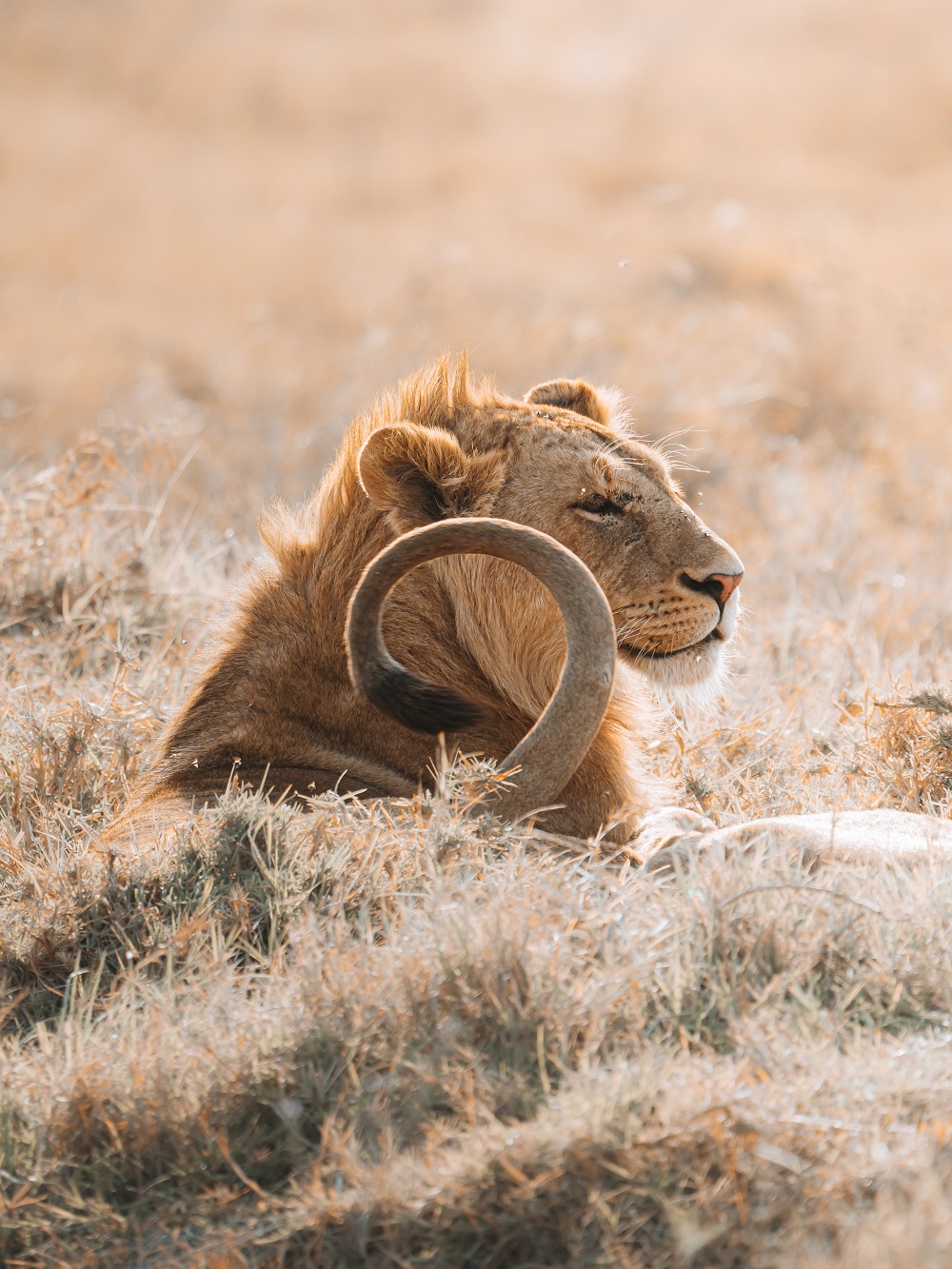
Monika Wanat nie fotografuje zwierząt dla ludzi. Fotografuje je z szacunkiem, empatią, intencją uchwycenia ich indywidualności – tak, jak fotografuje się ludzi. Jej zdjęcia nie są klasycznymi dokumentami przyrodniczymi. To intymne portrety emocjonalnych relacji, mikro gestów, spojrzeń i chwil, które wymykają się stereotypowemu spojrzeniu na przyrodę. To próba zdjęcia maski anonimowości z dzikich zwierząt i oddania im głosu w świecie zdominowanym przez antropocentryzm. W świecie zwierząt artystkę najbardziej fascynuje, jak wiele jest jeszcze niewiadomych. Często brakuje nam narzędzi, by badać psychikę i emocje zwierząt w sposób, który wykracza poza czysto behawioralne obserwacje. Zastanawia mnie, gdzie przebiega granica między niepożądanym uczłowieczaniem – którego staram się unikać – a uznaniem dla osobowości, pamięci czy relacji, których jeszcze nie potrafimy nazwać. Pionierzy badań nad emocjonalnym życiem zwierząt zaczęli swoje prace w latach 70. XX wieku, więc mamy za sobą 50–60 lat badań nad zrozumieniem tej sfery. Jesteśmy więc na początku. - mówi artystka.
– Tam, gdzie jest troska, jest miłość; tam, gdzie jest miłość, jest żałoba; tam, gdzie jest żałoba, są uczucia, a tam, gdzie są uczucia – jest osoba – mówi artystka. Te słowa stanowią rdzeń całego projektu. Wanat łączy wrażliwość artystki z kompetencjami badaczki. Jej twórczość funkcjonuje na styku humanistyki, biologii i etologii, czerpiąc z najnowszych odkryć naukowych, by budować głęboki kontekst dla obrazów. Przykładem tej synergii jest fotografia Looking forward III (2022), przedstawiająca zebry w sytuacji społecznego kontaktu. Praca koresponduje z badaniami z 2025 roku, które wykazały, że zmiany klimatyczne wpływają na zacieśnianie więzi międzygatunkowych. Zebry – nawet niespokrewnione – współdziałają dla wspólnego przetrwania. To opowieść nie tylko o zwierzętach, ale i o modelu współistnienia, który mógłby zainspirować ludzi. –Zebry nie potrzebują debat ani strategii – po prostu działają razem. To lekcja dla nas – podkreśla Wanat.
Artystce trudno wskazać ulubione zwierzęta, ale to do zebr podświadomie ją ciągnie. U zwierząt najbardziej fascynuje ją inteligencja: zarówno gatunkowa, u hien, jak i osobnicza u pojedynczych zwierząt, które wyróżniają się czymś wyjątkowym. Tak jak u ludzi, zwierzęta różnią się między sobą pod względem umiejętności, wrażliwości, ciekawości. „Dlatego zawsze gdy udaje mi się zaobserwować inteligencję powyżej przeciętnej, to bardzo mnie to fascynuje i uwielbiam spędzać czas z takimi zwierzętami. Bardzo dużo nauczyła mnie też praca z końmi - bo jazda konna nie jest tylko siedzeniem na koniu, a relacją opartą na zaufaniu, zrozumieniu siebie nawzajem i właściwym odczytywaniu sygnałów”.
Od pustyń Namibii, przez sawanny Tanzanii, po chłodne pejzaże Chile Monika Wanat przemierzyła ponad 30 krajów, by opowiedzieć historie ukryte w spojrzeniach zwierząt. Jej fotografie były nagradzane i wystawiane na całym świecie, ale jej podejście pozostaje konsekwentnie intymne – skupione na detalu, emocji, spotkaniu. Jej prace nie ilustrują – one wchodzą w relację.
Psyche to więcej niż wystawa – to zaproszenie do zmiany optyki. Do zadania sobie pytań: Czy potrafimy jeszcze słuchać innych istot? Czy jesteśmy gotowi uznać ich podmiotowość? Czy współistnienie może stać się fundamentem nowej etyki? Projekt Moniki Wanat nie moralizuje, lecz proponuje poprzez obrazy inny sposób bycia w świecie. Uważny i pełen respektu. W przestrzeni zdominowanej przez hałas człowieka, Psyche to cichy manifest, który może stać się ważnym głosem w rozmowie o przyszłości dzikiej przyrody i naszej wspólnej planecie.
Według artystki najważniejsze w fotografii jest znalezienie własnej estetyki, przekazu, rozwijanie swojego stylu i eksperymentowanie z wieloma podejściami. Szczególnie jeśli chodzi o estetykę, ważne jest, aby cały czas ją rozwijać. „Mam wiele projektów „w szufladzie”, ale każdy z nich mnie w jakiś sposób rozwinął. I nie mówię też tylko o zdjęciach, ale o próbowaniu nowych rzeczy – takich jak jazda konna, nurkowanie, czy paralotniarstwo – które dają okazję do nowych kadrów. Nie wszystko stanie się życiową pasją, ale każde doświadczenie będzie cenną lekcją, wspomnieniem, a może i wyjątkowym kadrem”.
Izabela Rogala, kuratorka i historyczka sztuki
“Psyche” – Art with Empathy, A Voice for Animals
Monika Wanat’s exhibition Psyche is a moving visual appeal to recognize animals as sentient, conscious beings—not merely objects of observation, but rightful participants in life on Earth. Developed by the artist since 2014, the project is the result of more than a decade of travel, research, and artistic exploration woven into one narrative: a story of the world seen from a non-human perspective.
Monika Wanat does not photograph animals for people. She photographs them with respect, empathy, and the intent to capture their individuality—just as one would when photographing humans. Her works are not classical wildlife records; they are intimate portraits of emotional connections, micro-gestures, glances, and fleeting moments that resist stereotypical views of nature. They seek to remove the mask of anonymity from wild animals and return their voices in a world dominated by anthropocentrism. What fascinates the artist most in the animal world is how much remains unknown. Often we lack tools to study animal minds and emotions in ways that move beyond purely behavioral observations. “I keep wondering where the boundary lies between the kind of anthropomorphism I try to avoid, and genuine recognition of personality, memory, or relationships we have no words for yet. Pioneers of animal emotion research began their work in the 1970s, so we have only 50–60 years of studies behind us. We are just at the beginning,” says the artist.
“Where there is care, there is love; where there is love, there is grief; where there is grief, there are feelings; and where there are feelings—there is a person,” she adds. These words form the core of the entire project. Wanat combines the sensitivity of an artist with the competence of a researcher. Her work moves between the humanities, biology, and ethology, drawing on the latest scientific discoveries to create a deep context for the images. An example of this synergy is the photograph Looking forward III (2022), showing zebras in social contact. The work resonates with research published in 2025, which revealed that climate change strengthens interspecies bonds: zebras—even unrelated—cooperate for survival. It is not only a story about animals but also about a model of coexistence that could inspire people. “Zebras don’t need debates or strategies—they simply act together. That’s a lesson for us,” Wanat emphasizes.
The artist finds it hard to choose favuorite animals, yet she is subconsciously drawn to zebras. What fascinates her most is intelligence: species-level, as in hyenas, or individual, as in animals that stand out for their unique qualities. Just like humans, animals differ in abilities, sensitivity, and curiosity.
“That is why whenever I manage to witness above-average intelligence, I find it deeply fascinating and love spending time with such animals. Working with horses has also taught me a great deal—because horseback riding is not just sitting on a horse, but building a relationship based on trust, mutual understanding, and correctly interpreting signals.”
From the deserts of Namibia, through the savannas of Tanzania, to the cold landscapes of Chile, Monika Wanat has traveled to more than 30 countries to tell the stories hidden in animals’ eyes. Her photographs have been awarded and exhibited worldwide, yet her approach remains consistently intimate—focused on detail, emotion, and encounter. Her works do not illustrate; they enter into relationship. Psyche is more than an exhibition—it is an invitation to shift perspective. To ask: Are we still able to listen to other beings? Are we ready to acknowledge their subjectivity? Can coexistence become the foundation of a new ethics? Wanat’s project does not moralize; it suggests, through images, another way of being in the world: attentive and respectful. In a space dominated by human noise, Psyche is a quiet manifesto—a significant voice in the conversation about the future of wildlife and our shared planet.
For the artist, the most important thing in photography is finding one’s own aesthetic and message, developing a personal style, and experimenting with different approaches.
“When it comes to aesthetics, it is essential to keep evolving. I have many projects ‘in the drawer,’ but each one helped me grow in some way. And I don’t mean only the images themselves, but also trying new things—like horseback riding, diving, or paragliding—that create opportunities for new frames. Not everything becomes a lifelong passion, but every experience is a valuable lesson, a memory, and sometimes even a unique image.”
Izabela Rogala, Curator & Art Historian
Thank you!
Please, check your e-mail and confirm subscription.
Press & Publications || Publikacje o cyklu „Psyche”
| Związek Polskich Artystów Fotografików (PL)
| Artinfo (PL)
| Niezlasztuka.net (PL)
| Weranda, 09.2025, print (PL)
| Czwórka Polskie Radio, interview (PL)
| Gazeta Żoliborza (PL)
| Dariusz Breś & Defabryka
| ArtRabbit (ENG)